

Understanding Male Pelvic Health: A Comprehensive Guide

Updated: May 14

What Is Male Pelvic Health?
Many men I see in the clinic have suffered in silence for years—even decades—before seeking help. While pelvic health remains a taboo topic for women, the stigma is often significantly greater for men.
Male pelvic health refers to the proper functioning of the muscles, nerves, and organs located in the pelvic region. This area includes the bladder, bowels, prostate, rectum, and pelvic floor muscles. These components work together to support urinary and bowel control, sexual function, and core stability.
Pelvic health problems can affect men of all ages. Understanding the anatomy and function of the pelvic region helps recognize when something is wrong and encourages timely medical consultation.
Common Male Pelvic Health Issues
Several conditions can affect male pelvic health. Here are some of the most frequent problems men face:
1. Pelvic Floor Dysfunction

Pelvic floor dysfunction occurs when the muscles in the pelvic area become weak, tight, or uncoordinated. This can lead to:
Urinary incontinence or urgency
Pain during or after urination
Difficulty controlling bowel movements
Chronic constipation
Pelvic, genital, or lower back pain
Erectile Dysfunction
Men who sit for long hours, have had prostate surgery, or experience chronic constipation are at higher risk.
2. Prostatitis
Prostatitis is inflammation of the prostate gland, often causing pain and urinary symptoms. It can be bacterial or non-bacterial and may present as:
Pain in the pelvic area, lower back, or genitals
Frequent urination, especially at night
Painful ejaculation
Flu-like symptoms in bacterial cases
This condition affects men of all ages but is most common in men under 50.
3. Benign Prostatic Hyperplasia (BPH)
BPH is the non-cancerous enlargement of the prostate gland, common in men over 50. It can compress the urethra and cause:
Weak urine stream
Difficulty starting or stopping urination
Frequent urination, especially at night
Feeling of incomplete bladder emptying
While BPH is not life-threatening, it can significantly reduce quality of life.
4. Erectile Dysfunction (ED)
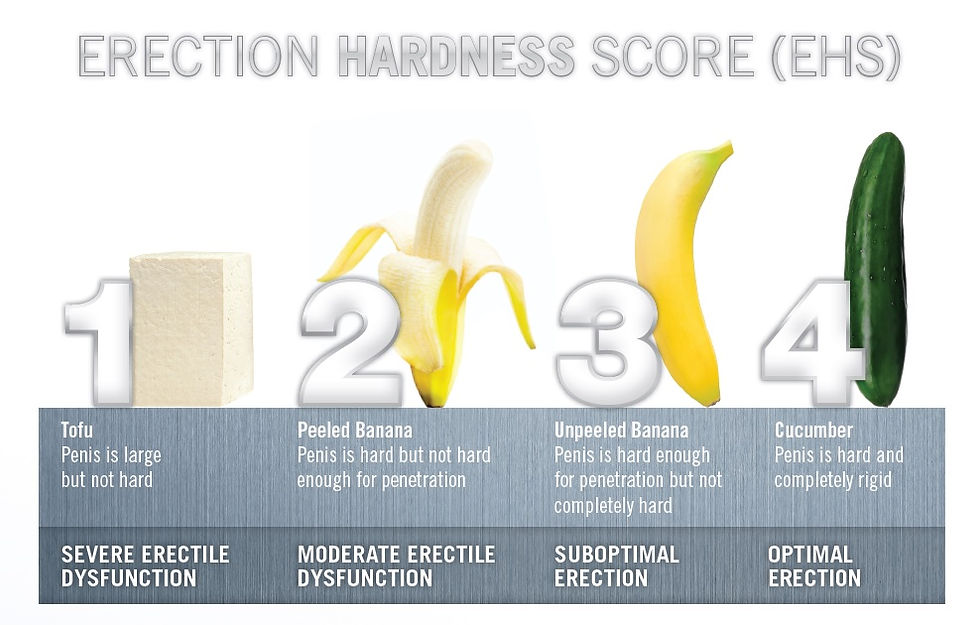
ED is the inability to achieve or maintain an erection sufficient for sexual activity. It can result from pelvic floor dysfunction or pelvic nerve or blood vessel problems, often linked to:
Diabetes
Cardiovascular disease
Pelvic surgery or trauma
Psychological factors
Addressing pelvic health can improve ED symptoms in many cases.
Signs and Symptoms to Watch For
Recognizing symptoms early can lead to better outcomes. Men should pay attention to:
Persistent pelvic or perineal pain
Changes in urinary habits (frequency, urgency, pain)
Blood in urine or semen
Painful ejaculation or sexual dysfunction
Bowel control problems
Causes and Risk Factors
Several factors contribute to male pelvic health issues:
Age: Prostate enlargement and muscle weakening increase with age.
Lifestyle: Sedentary habits, poor diet, smoking, and excessive alcohol consumption can negatively impact pelvic health, leading to dysfunction. Paradoxically, men who engage in intense gym sessions and heavy strength training may also develop an overactive or hypertonic pelvic floor due to chronic bracing and overtraining, leading to muscle tension.
Medical history: Previous pelvic surgery, infections, or trauma can cause lasting problems.
Chronic conditions: Diabetes and neurological diseases impact nerve function in the pelvic area.
Stress: Psychological stress can worsen symptoms like pelvic pain and ED.
Understanding these factors helps in prevention and management.
Diagnosis and Medical Evaluation
Doctors use a combination of methods to diagnose pelvic health problems:
Medical history and symptom review
Physical examination, including digital rectal exam
Urine and blood tests to check for infection or prostate issues
Imaging tests such as ultrasound or MRI
Urodynamic studies to assess bladder function
Early diagnosis allows for more effective treatment and symptom relief.
Treatment Options
Treatment depends on the specific condition and severity. Common approaches include:
Lifestyle Changes
Regular physical activity, which may include pelvic floor exercises
Healthy diet rich in fruits, vegetables, and fiber
Ensuring adequate water intake
Limiting caffeine and alcohol intake
Avoiding prolonged sitting
Stress management
Ensuring adequate and good quality sleep
Pelvic Floor Physiotherapy
Specialised therapy can strengthen or relax pelvic muscles, improving symptoms like incontinence, frequency, urgency, pain, and sexual dysfunction.
Medications
Alpha-blockers and 5-alpha-reductase inhibitors for BPH
Antibiotics for bacterial prostatitis
Pain relievers and muscle relaxants for pelvic pain
PDE5 inhibitors for erectile dysfunction
Surgical Interventions
Reserved for severe cases, surgery may address prostate enlargement.
Practical Tips for Maintaining Pelvic Health

Men can take proactive steps to support pelvic health:
Practice pelvic floor activation and then full relaxation to get in touch with this area of your body
Drink adequate water to prevent highly concentrated urine, which can irritate the bladder lining and cause spasms.
Avoid prolonged sitting: Get up every 50 minutes to relieve direct pressure on the perineal nerves and prostate.
If you are doing intensive strength training, incorporate stretches and hip mobility into your routine.
Reduce daily anxiety through deep diaphragmatic breathing, as the pelvic floor naturally tightens during psychological stress.
Seek help promptly if symptoms arise.
When to See a Specialist
If symptoms persist despite lifestyle changes or worsen over time, seeing a urologist or pelvic health physiotherapist is crucial. Early intervention can prevent complications and improve quality of life.
Final Thoughts on Male Pelvic Health
Male pelvic health affects many aspects of life, from urinary control to sexual function. Awareness and early action can prevent minor issues from becoming chronic problems. Men should feel empowered to discuss pelvic health openly with healthcare providers and take steps to maintain strength and function in this important area.
Taking care of pelvic health is a vital part of overall wellness. Start with simple lifestyle changes and seek professional advice when needed. Your pelvic health matters and deserves attention.
Empowering Your Health Journey
Understanding and addressing male pelvic health issues is essential for overall well-being. By being proactive and informed, you can take significant steps toward improving your health. Remember, you are not alone in this journey. Seeking help is a sign of strength, not weakness. Embrace the support available to you, and prioritize your pelvic health today.
If you're looking for expert guidance, consider reaching out to a trusted physiotherapy specialist. Your well-being is worth it, and taking that first step can lead to a healthier, more fulfilling life.


Comments